

PACC Data, Focus on Adoption Returns
In our recent 2017-2018 PACC Outcomes Report we noted we would follow-up with details about “Adoption Returns” as that was a focus of attention in 2016-2017, when the return rate increased from 5%, which is below the national average of 6% (ASPCA, 2011), up to 6.9%. For a few years some have expressed concern about the number of returns and debated whether modern practices, particularly ‘free’ adoptions led to more failed adoptions and returns. The data did not indicate so, as the PERCENT of returns had been stable and below the national average.
This year’s data was more challenging to analyze due to the increase in “foster to adopt” (FTA) cases which are basically adoptive placements that were not yet ‘final’ before leaving the shelter, for a variety of reasons. When those pets were returned in less than 30 days it was because the fost-adopter changed their mind about adopting but those were not recorded as adoption returns. We have reviewed approximately 930 FTA placements to include those in the number of ‘adoptive placements’ and number of ‘returns.’ Of those. 277 were still in foster status at the time of data review and are presumed successful. The total number of adoptive placements used for calculation is 9,470, an excellent number!
There were approximately 590 returns all year (defined as within 30 days of adoption/FTA). The return rate was 6.32% which is better than last year’s 6.86% and a tad over the national average.
Again we have looked at the reasons recorded at time of intake for the decision to return the pet. We hope we may learn lessons in matching and adoption procedures. Last year we were surprised that 53% of the time, the change of heart had nothing to do with the pet but more about the owner (or their other pet).
This year reasons were recorded for 416 of the 591 returns and 45% reported it wasn’t about the animal. It may be hypothesized that it is good news the percent of ‘owner issues’ went down from 53% to 45%. Higher numbers may indicate more impulsive decisions being made, particularly with reference to lease issues, not having enough time or money. Other pets are always going to be a valid reason, whether there was or wasn’t a ‘meet and greet’ at the shelter or it was an offsite adoption and no meeting was possible. Pet relationships will develop in the home. There will always be a need to strongly enforce the counseling of adopters on how to introduce new pets into the home. And in nearly all returns related to other pets there will always be room for more support to enable adoptions to succeed.

OWNER RELATED REASONS: 189 (in order of frequency):
66 Other pet (15 returned cats)
49 Owner problem (but not specified)
36 Allergic (more cats than dogs)
21 Landlord/moving/lease (7 pits, 4 shepherds, 1 chow, 1 golden,
1 heeler, 2 aussies, 2 boxers, 2 labs, 1 cat)
11 No time (1 cat)
2 Baby
2 Cost
2 Wrong sex (not the gender they wanted)
PET RELATED REASONS: 227 (in order of frequency):
86 Aggression toward other animals
31 Pet is ill
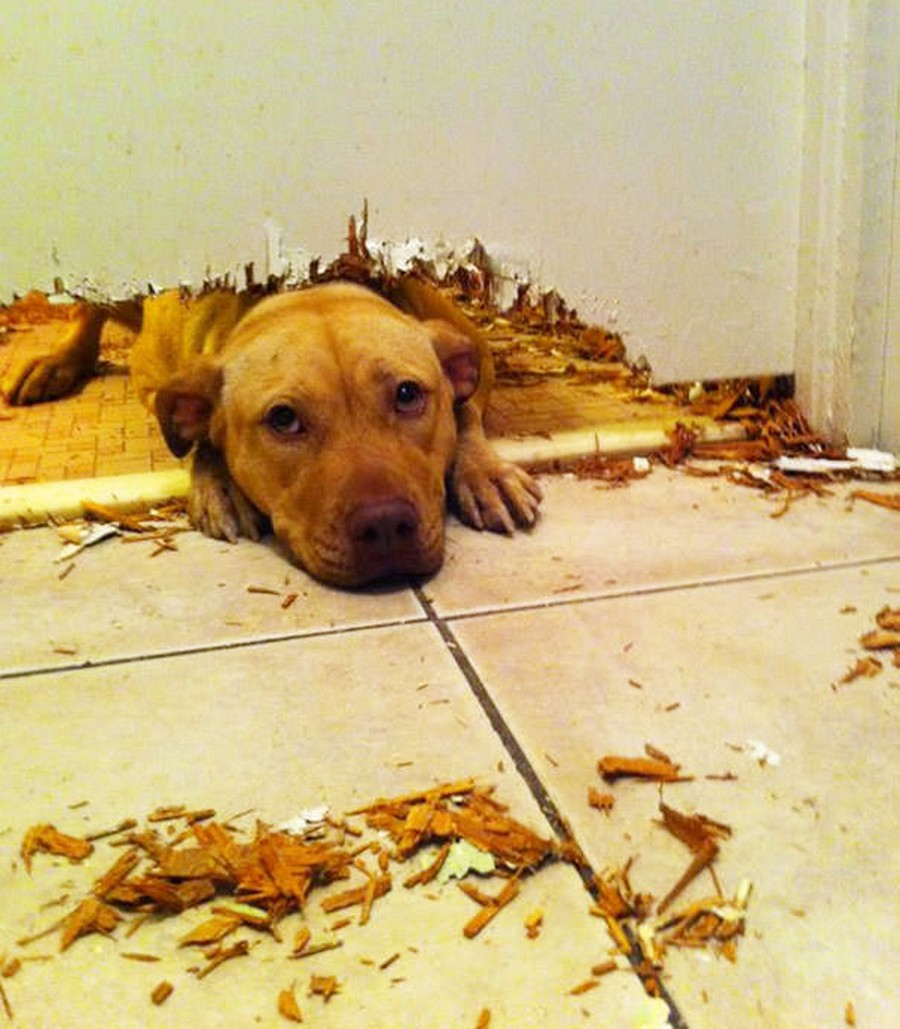
22 Destructive
15 Aggression toward other animals and humans (includes 3 cats)
14 Small kids
14 Too Hyper
13 Confinement problems (ie escaping)
12 Human aggression (includes 1 cat)
10 Poorly socialized
5 Litterbox/soiling issues (1 dog)
3 Resource guarding
1 Injured
1 Vocal

ADDITIONAL DISCUSSION: NKPC notes there are some adoption counselors who believe it is not important to pay much attention to what the owners say when turning in a pet and we strongly disagree. While it may be true that some owners exaggerate the pet’s problem to ease their own guilt about returning them and some owners minimize the pet’s problems to relieve their guilt and help the pet get re-adopted, we believe it is most prudent to assume the information is pertinent. Additionally, when Intake or Pet Support staff conduct an actual interview/conversation, the general picture is/will be more accurate as well. With Pet Support Center making appointments for most returns and likely having conversations with them, we assume the accuracy of owner surrender reports is at an acceptable percent (though capturing the information in a one word data report leaves much to be desired).
We also note the clarity of information and the conversations could be improved. For example, there were 428 owner surrender reasons documented this past year as ‘too many’ pets. NKPC has proposed this not be a routinely accepted answer. When it isn’t a litter or part of a new litter being turned in, intake/pet support might ask “why did you pick THIS one to bring in?” The answer, we learned while working the SOS Help Desk (2014-2017) often reveals concerns about this pet that would help in future adoption matching.
Ultimately, best practice would indicate shelters need to have meaningful conversations with prospective adopters (free or otherwise) to include: help them understand and select from the various options available in a shelter, be clear about the ‘known’ and ‘unknowns,’ encourage inspection of their own lifestyle including limitations and expectations and then offer the necessary preparation and support to face the more typical challenges.
NKPC hopes this information is helpful to PACC staff, volunteers and the public who fosters and adopts and advocates for shelter pets. Let us know if there are particular data questions you’d like us to answer. AND stay tuned for the next report/analysis of last year’s activities.